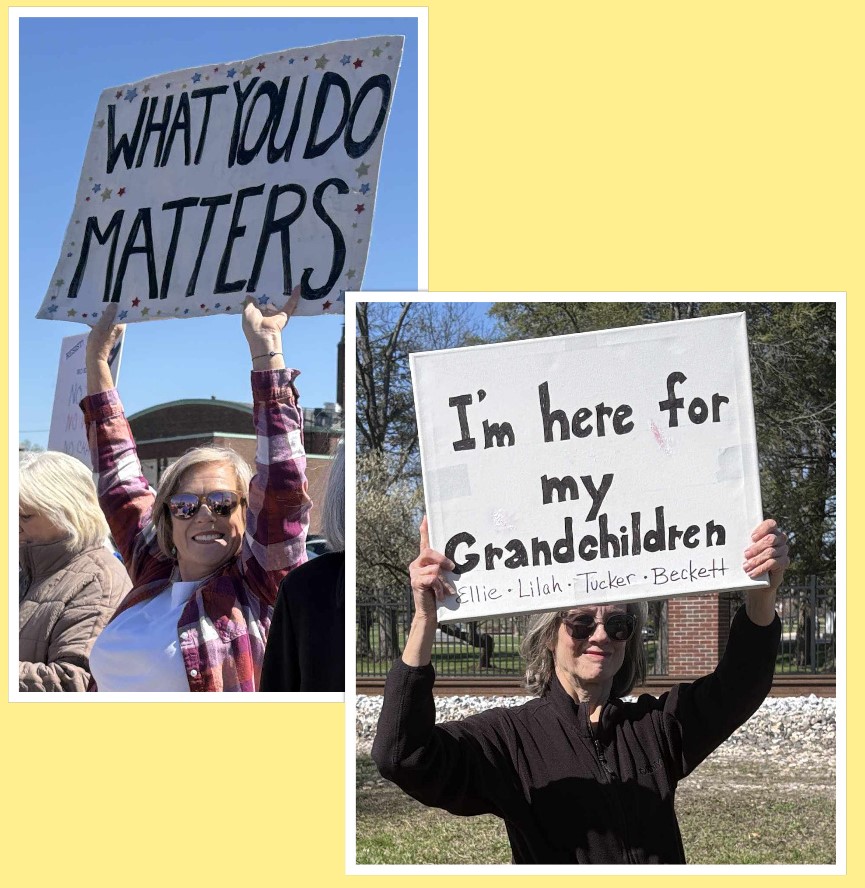
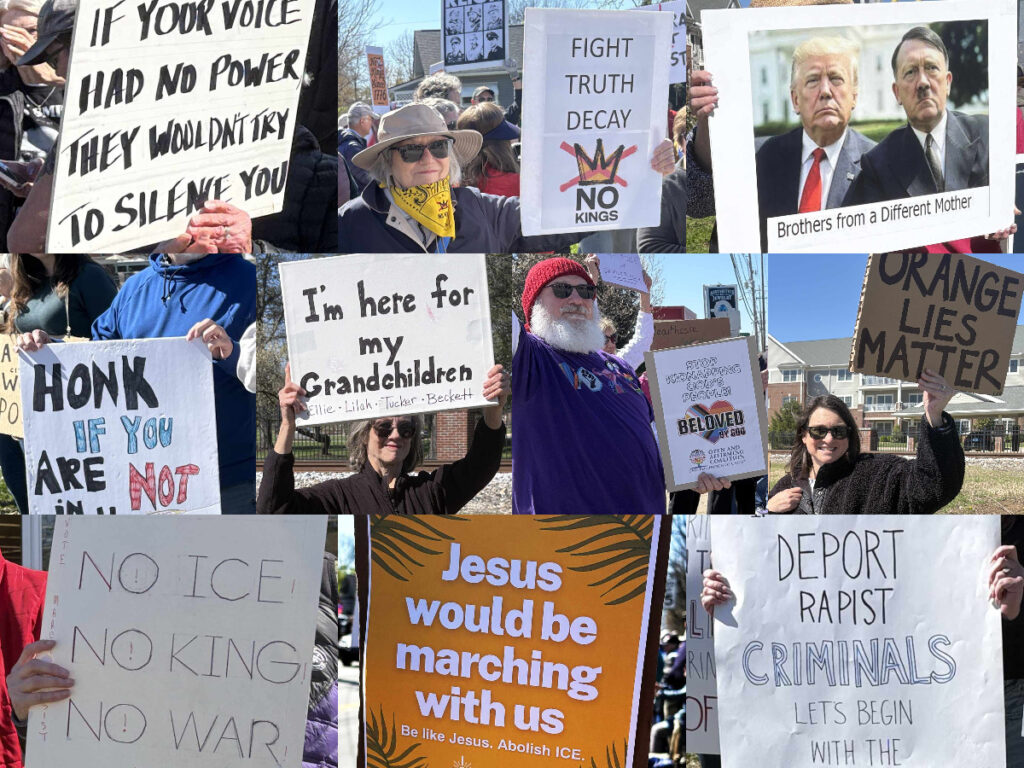
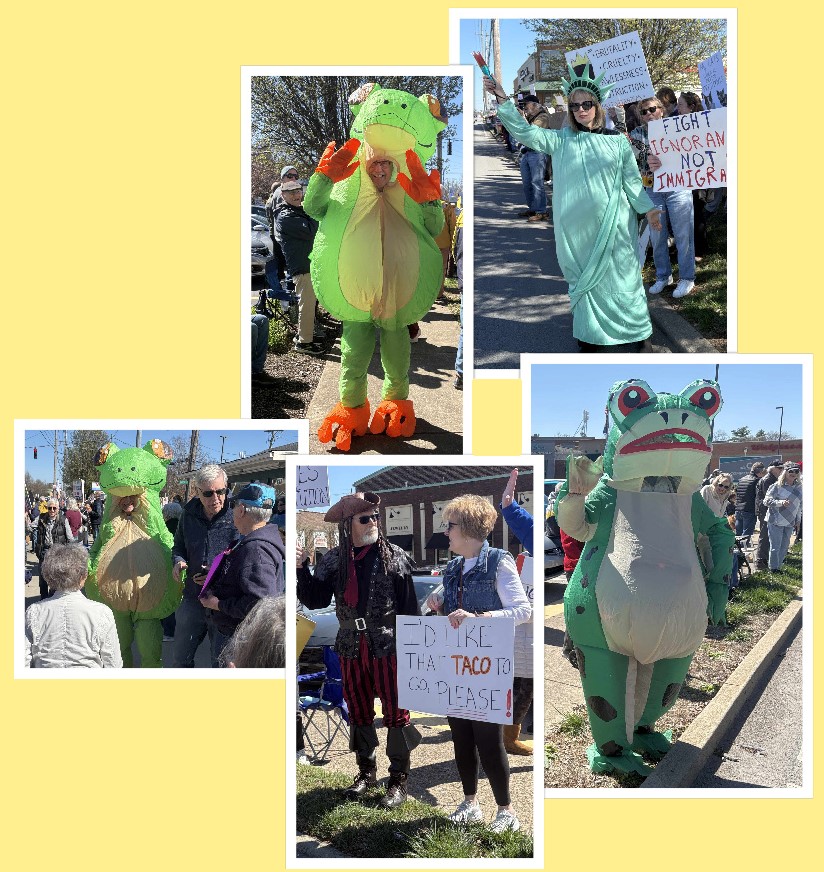
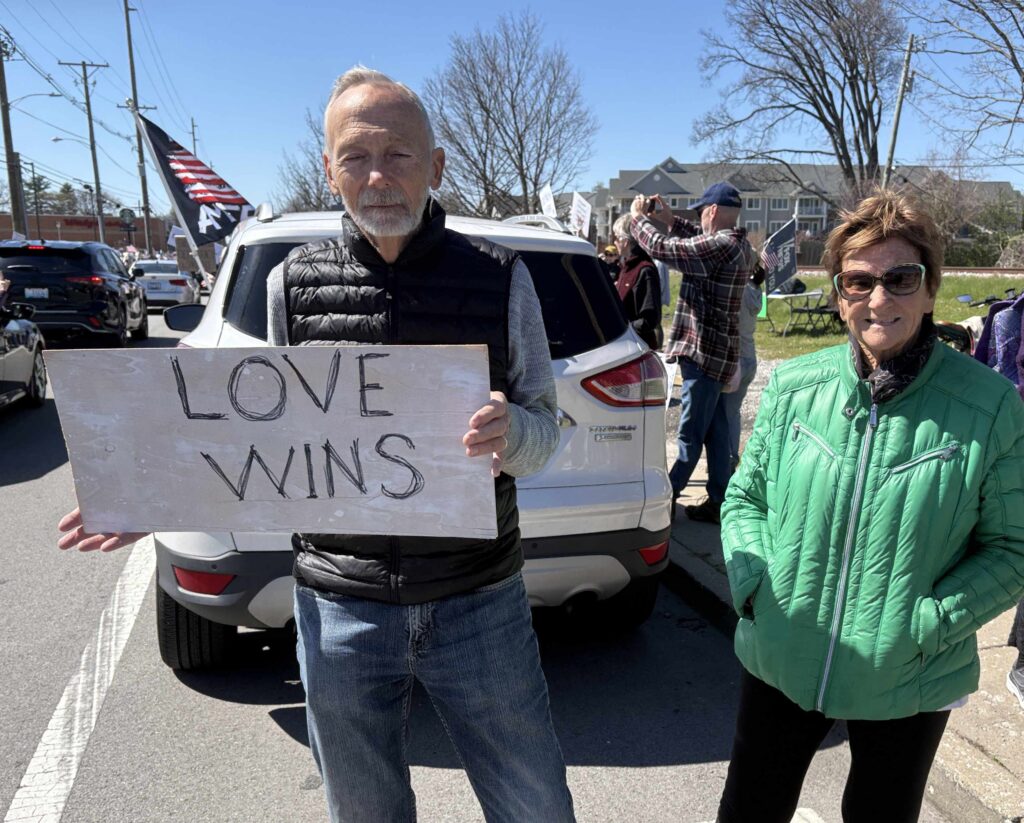
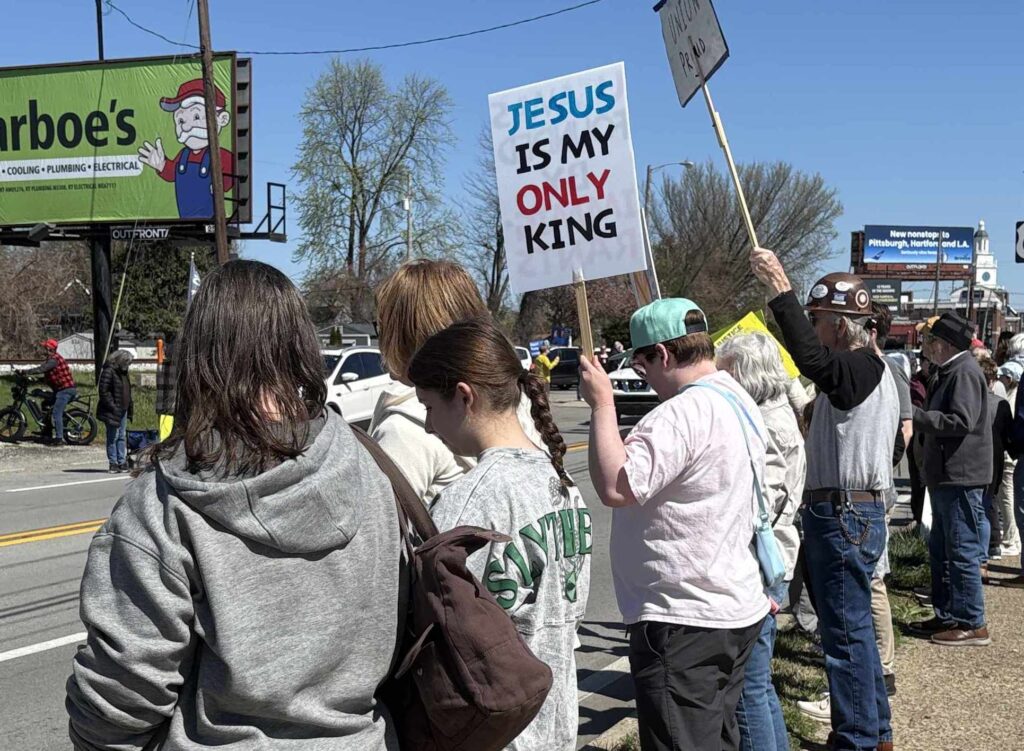
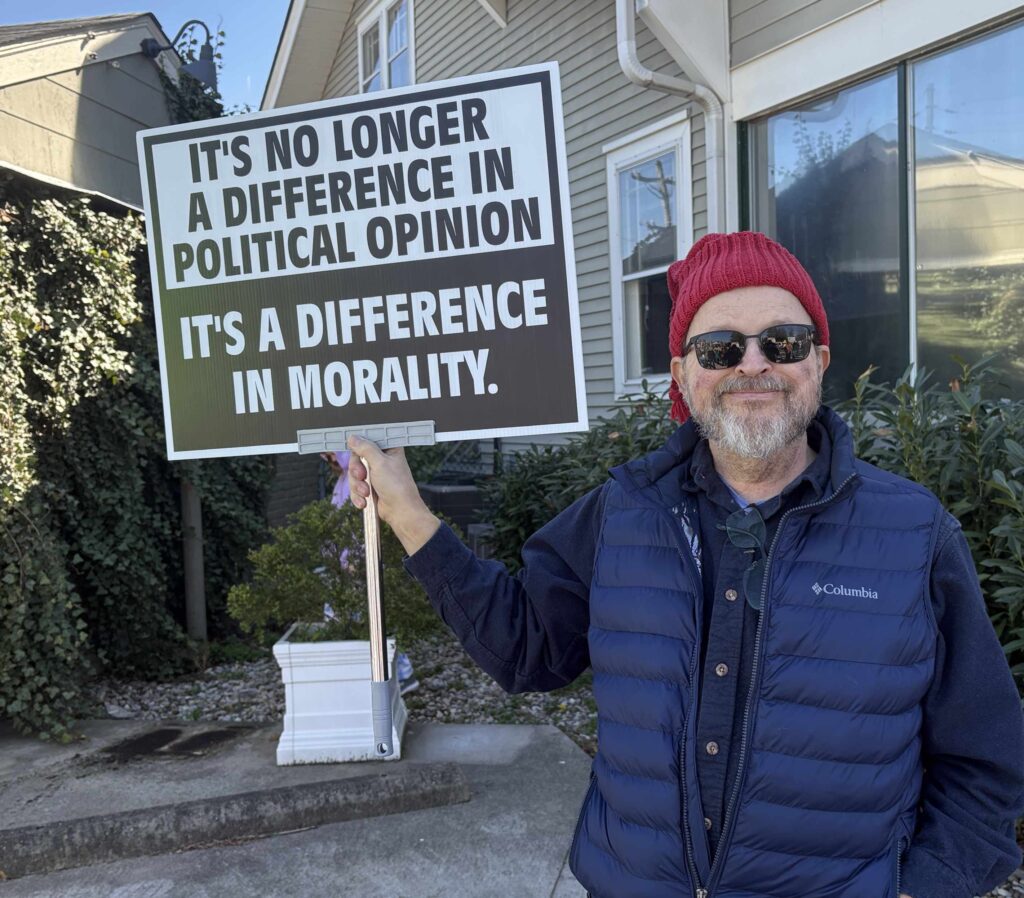
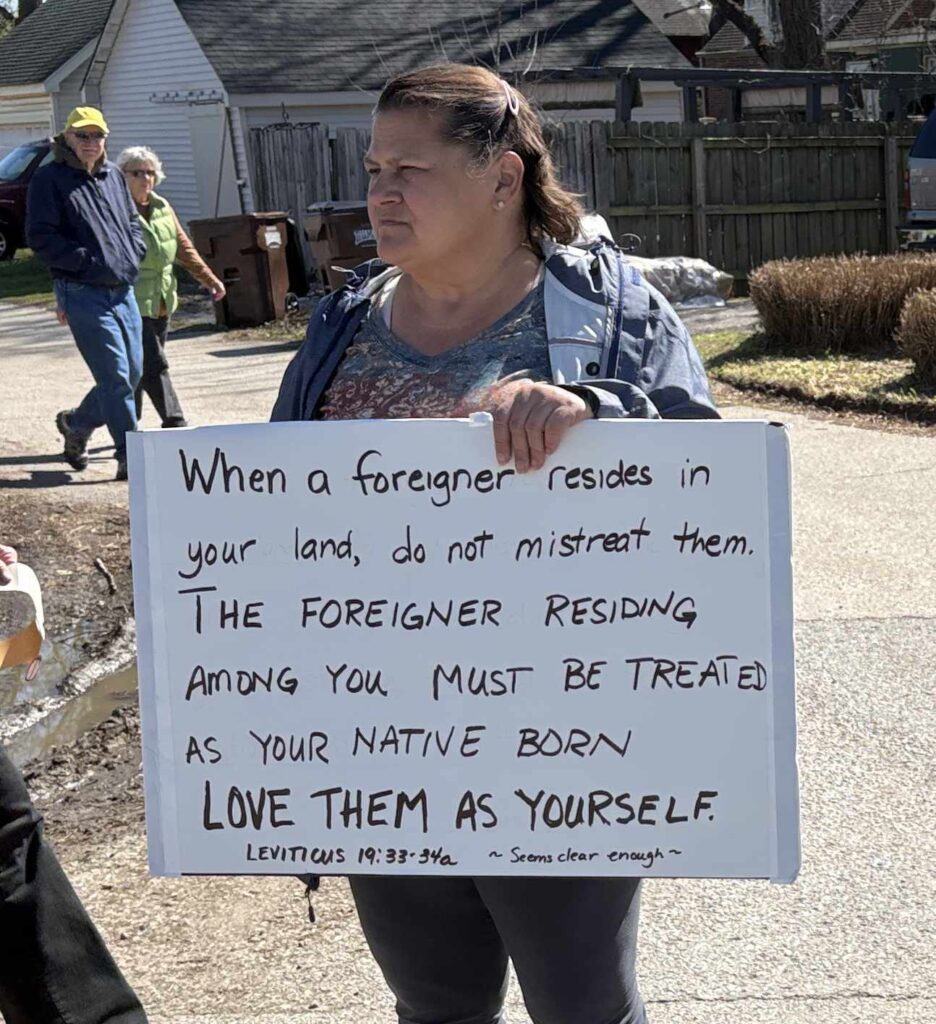
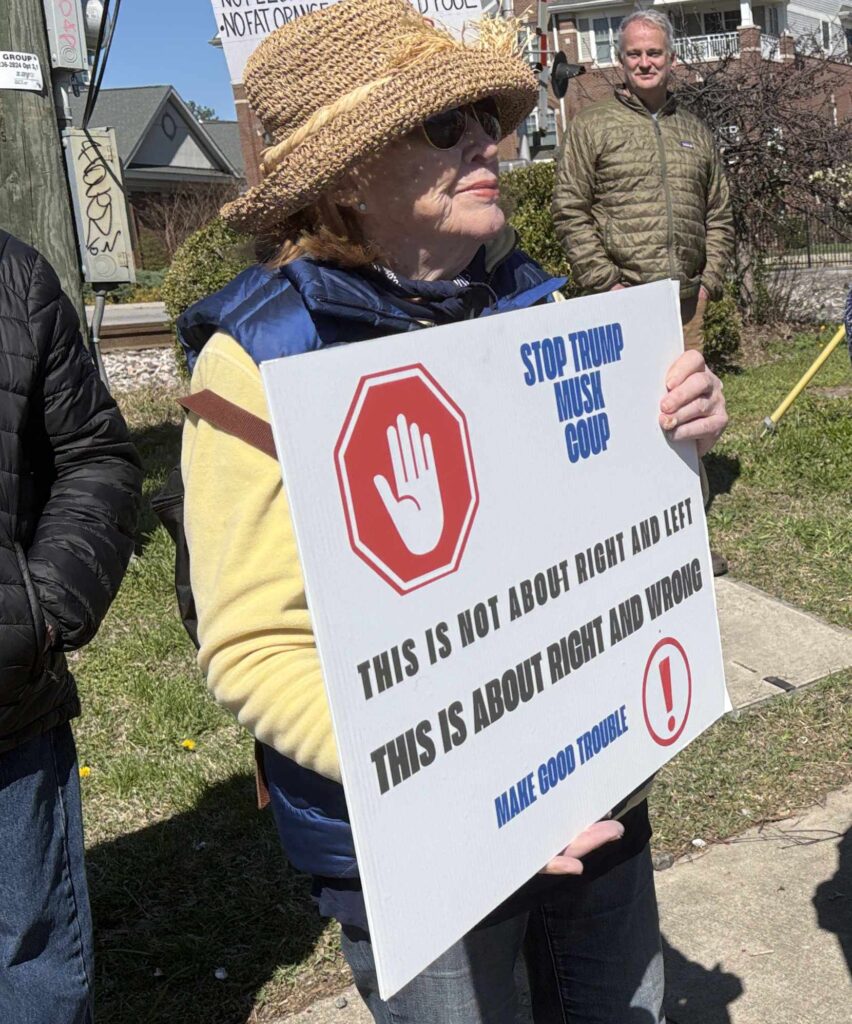
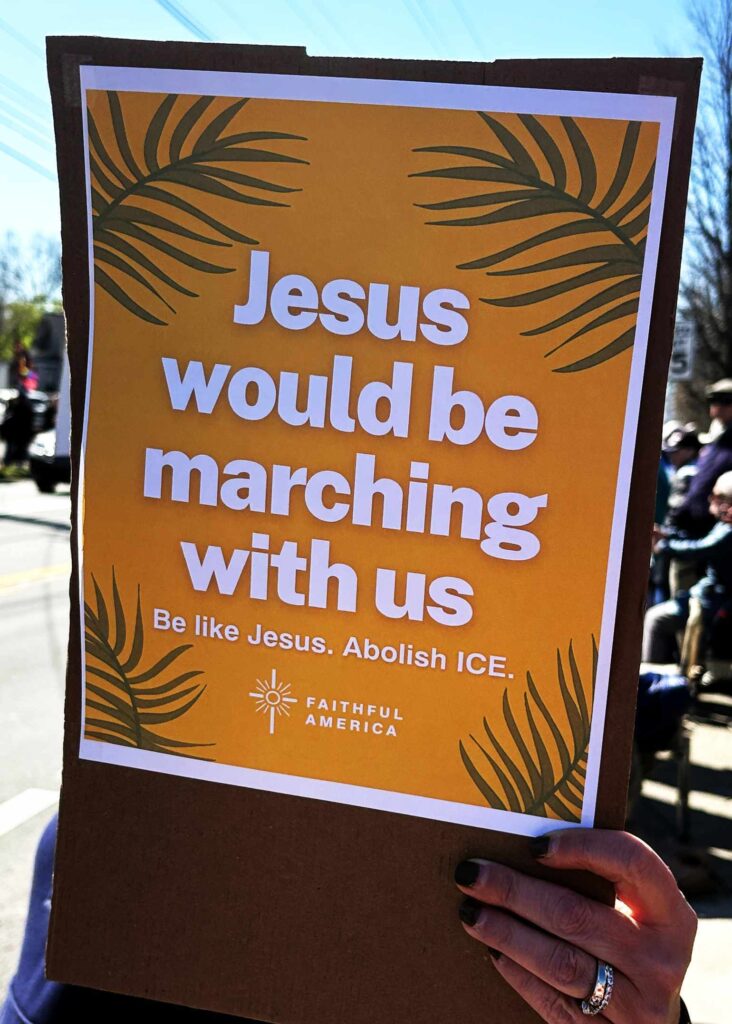
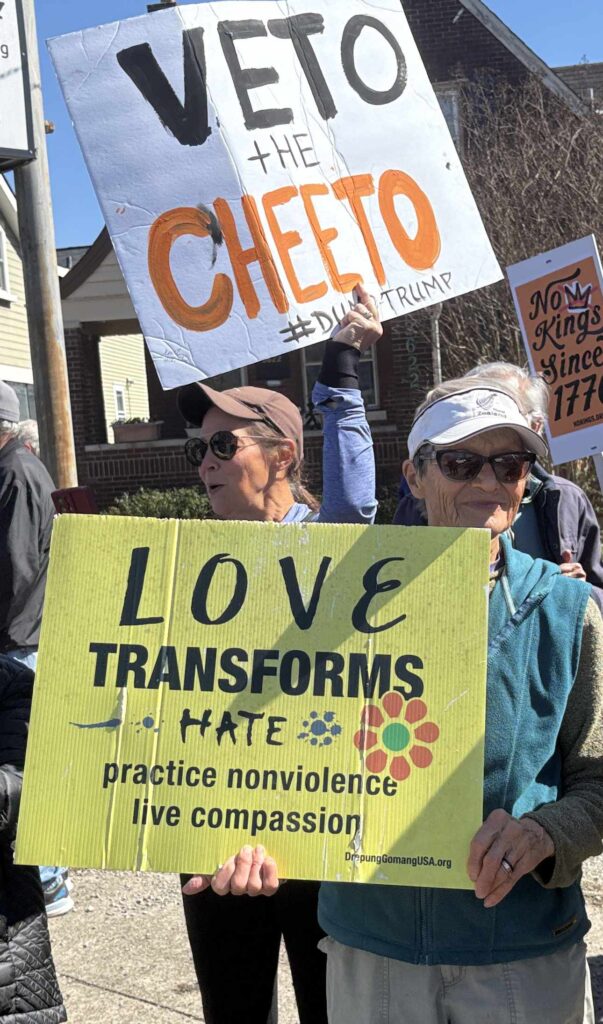
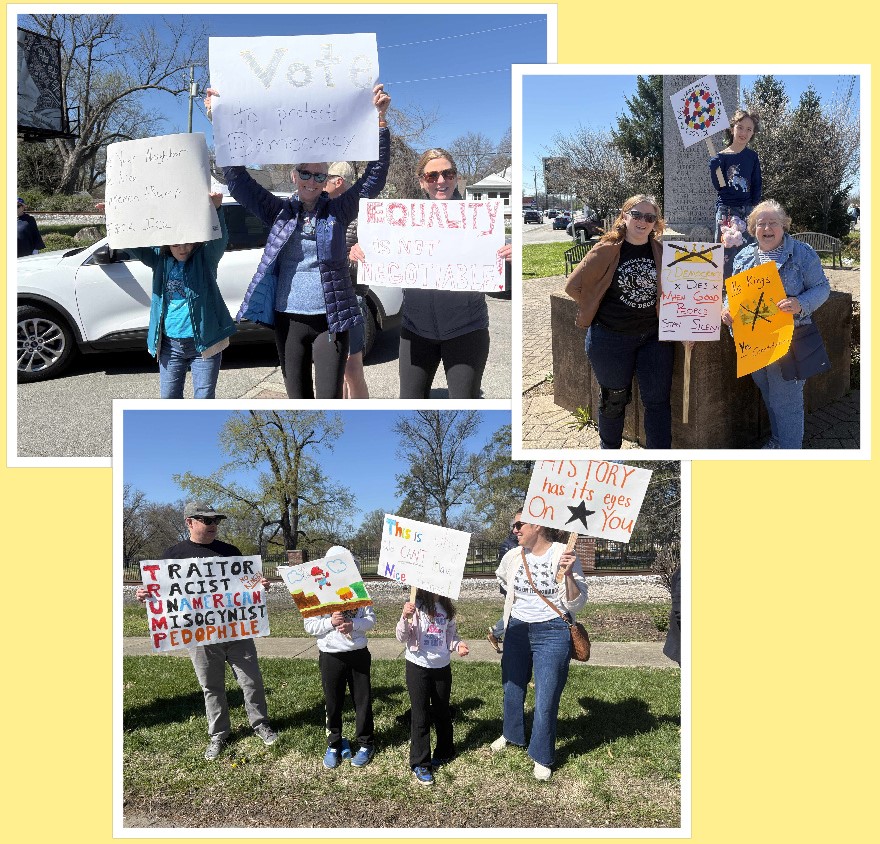
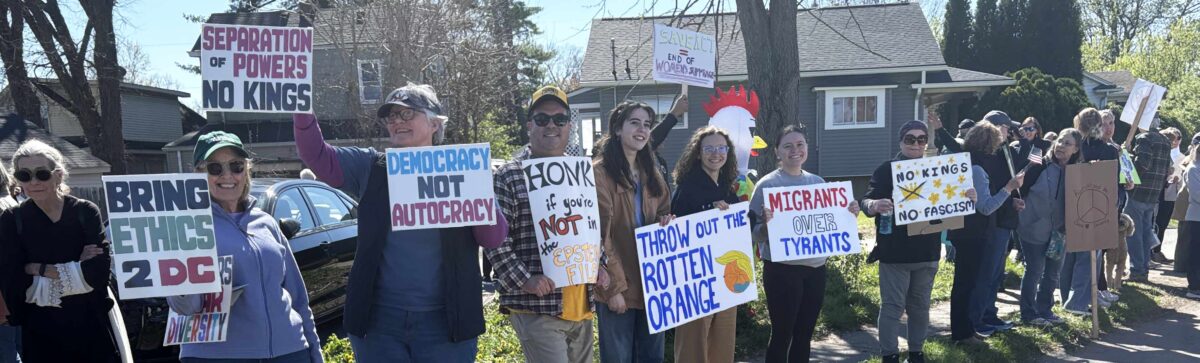
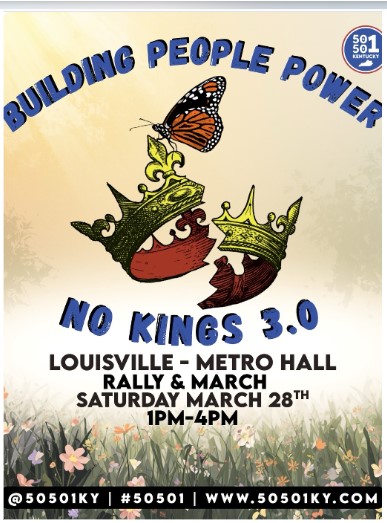
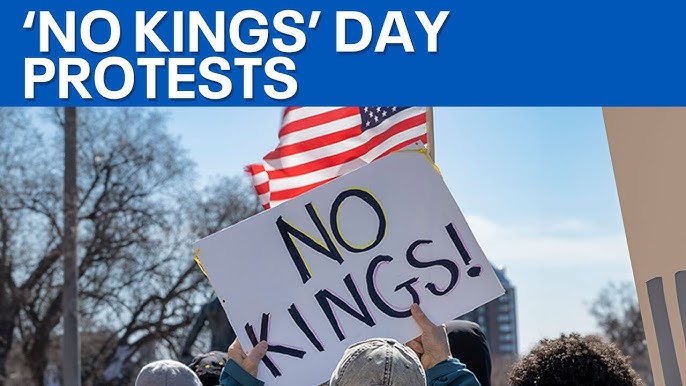
There were all sorts of viewpoints and themes displayed at the Louisville No Kings Day demonstration yesterday. It was good to see many people expressing religious concerns.


Charlie Dittmeier's Home Page
Politics and society in Cambodia
There were all sorts of viewpoints and themes displayed at the Louisville No Kings Day demonstration yesterday. It was good to see many people expressing religious concerns.


Estimating crowds is an inexact science, especially when trying to survey a nationwide movement, but here are statistics from the three No Kings Day rallies so far:
The numbers are increasing but there is still a long way to go. Sociologists estimate that at least 3.5% of a population need to actively work for change before social systems change. Louisville had an outpouring greater than its metro size would suggest (Go The Ville!) and the number of vehicles honking their horns in support was much greater than last time but we still have a way to go!
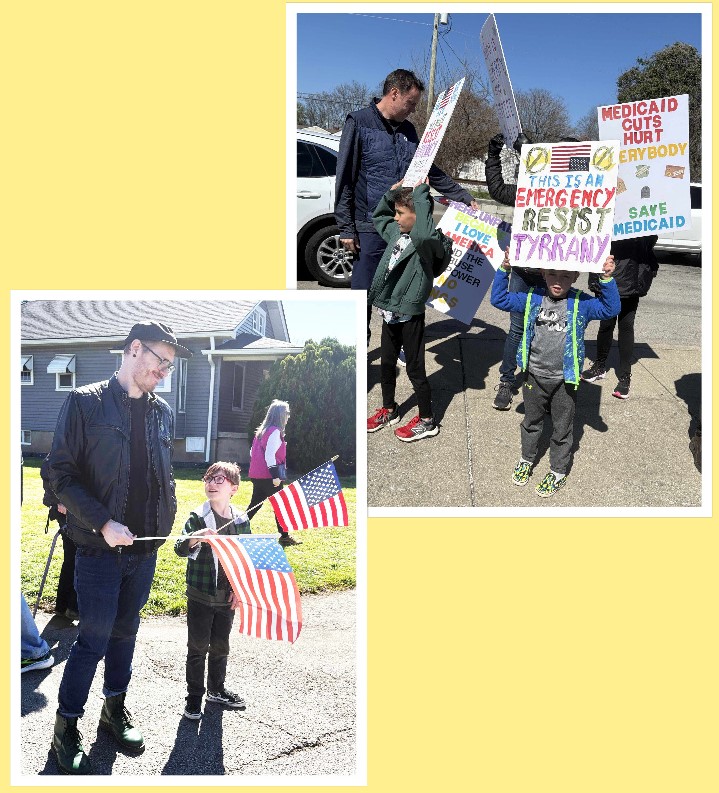
An interesting development is this third No Kings Day demonstration was the presence of more families with children. It is really encouraging to see parents and grandparents inculcating positive values and political awareness in their daughters and sons.


Louisville organized two large demonstrations today, one near Nazareth Home where I live. They were well attended! Super!

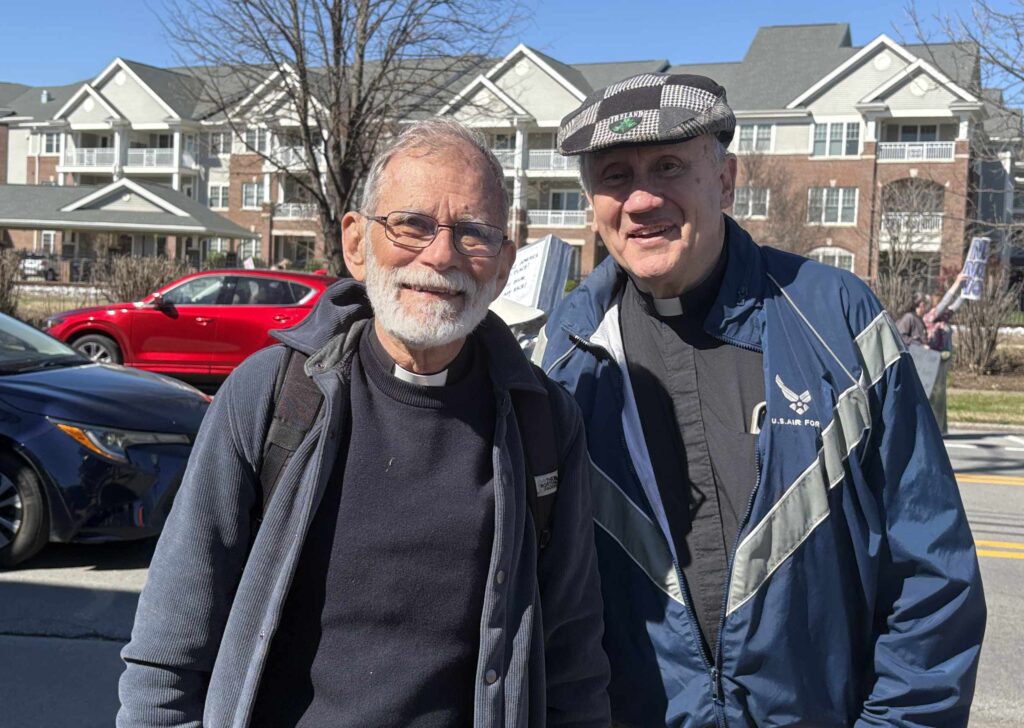
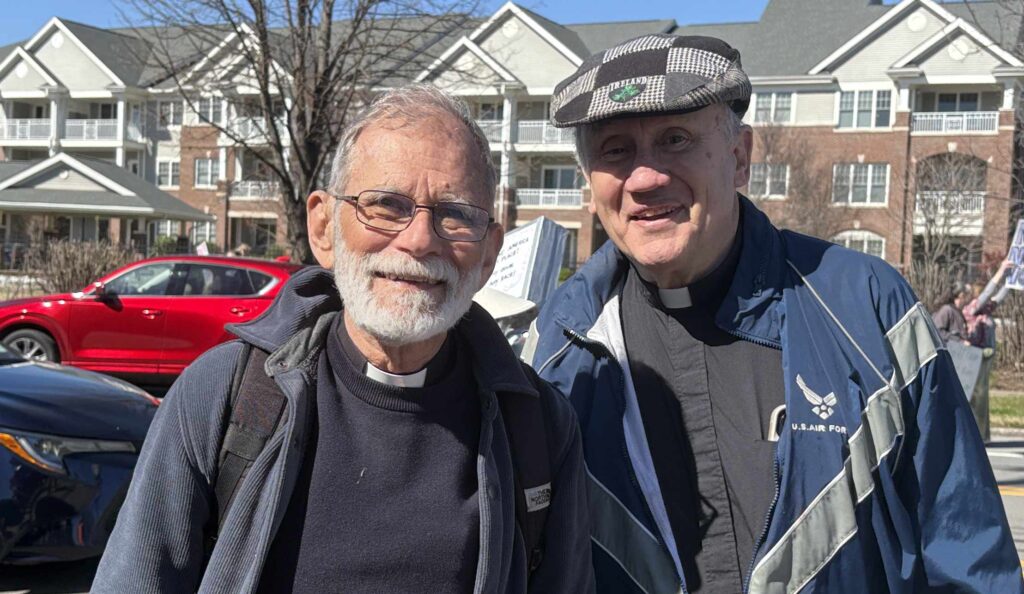
A group of us priests participate in these demonstrations. Today three of us were at the Frankfort Avenue rally and the others went to the larger rally downtown. Here John Burke and I finally meet up after looking for each other in the crowd.
[More photos to come]


In a recent interview about Christianity in society, Fr. James Martin commented about traditional Christians always wanting to post the Ten Commandments in schools and public places.

I often wonder why we don’t put the Beatitudes in classrooms since it’s always the 10 Commandments. What about “Blessed are the poor?” It’s amazing to me that mostly Christians want the Old Testament in the classrooms and put on signs, but what about “Blessed are the poor, blessed are those who mourn, blessed are the meek, blessed are the peacemakers?” Why is there never a push for that attitude? It’s a very strange thing to me. It is because [the Beatitudes] are hard and it’s stuff that we want to avoid.