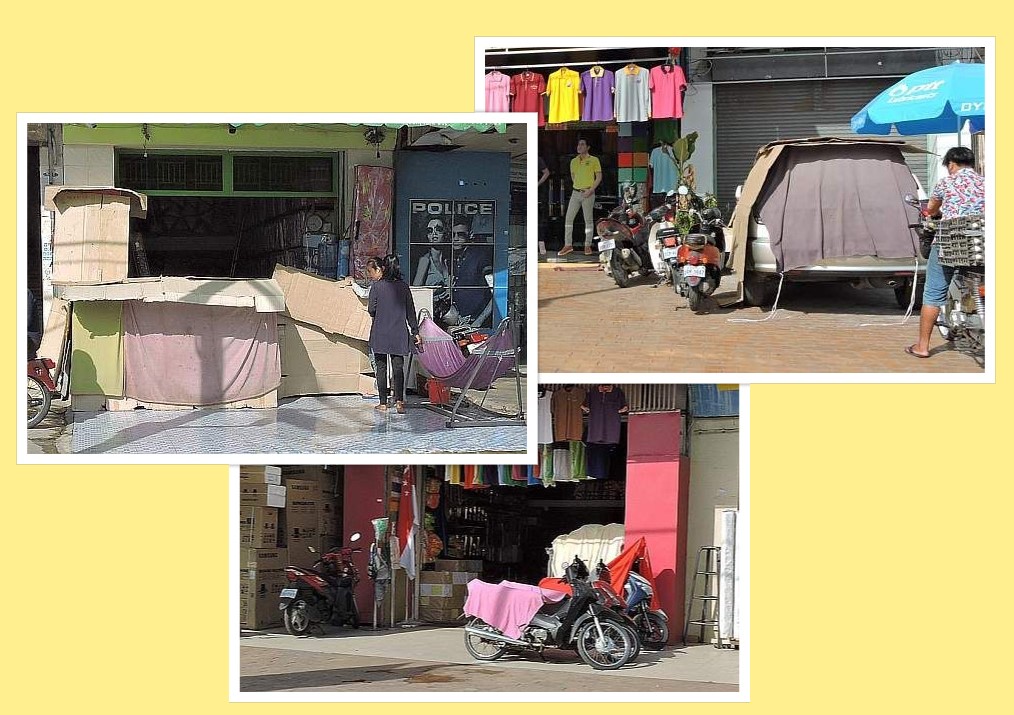
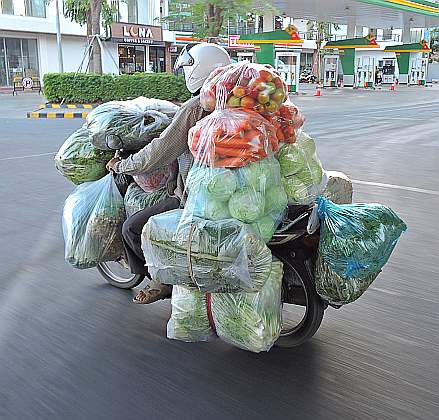
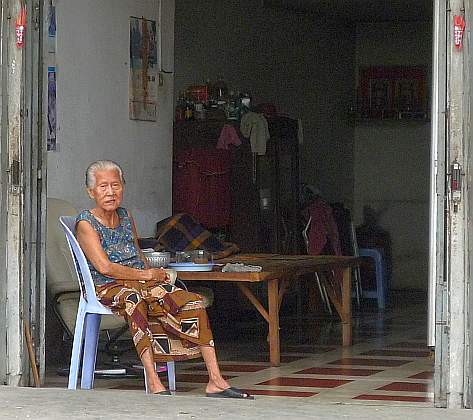
Cambodia’s close to the equator with a strong, direct sun that is very much part of daily life. Here in the early morning as businesses open up, they prepare for the day covering their stock, their cars, and their motorcycles to protect them from the sun.
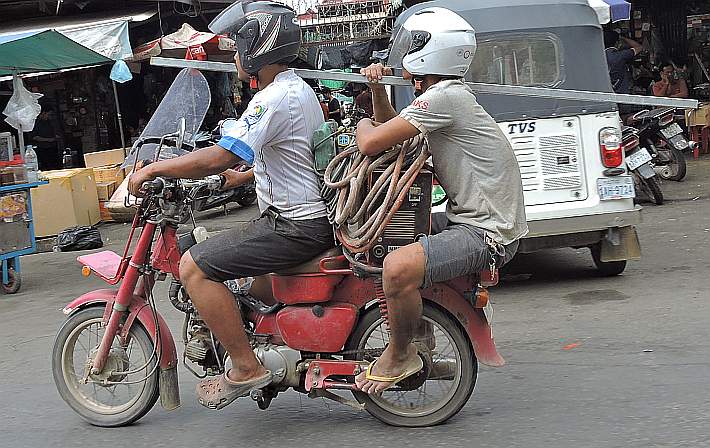
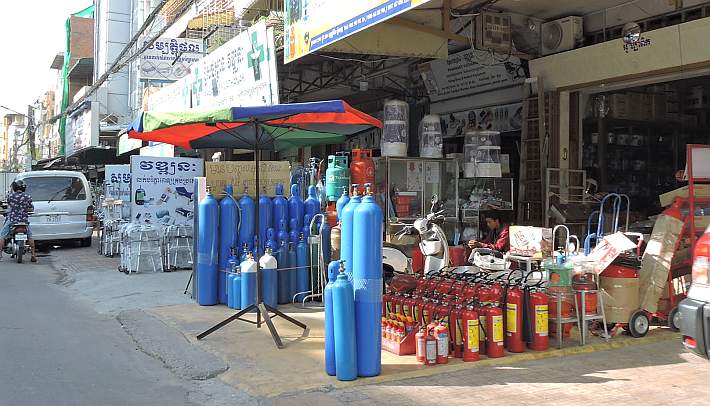
A couple welders heading off for their work site early in the morning. Notice the safety equipment(?). Do you think OSHA would approve? At least they’re wearing helmets.
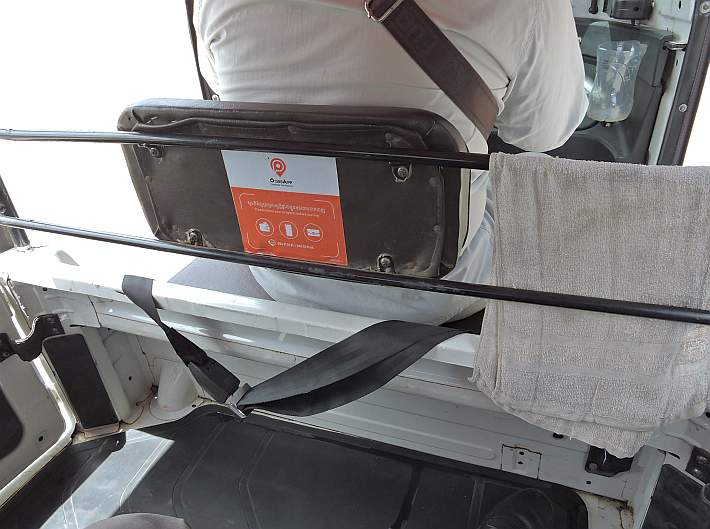
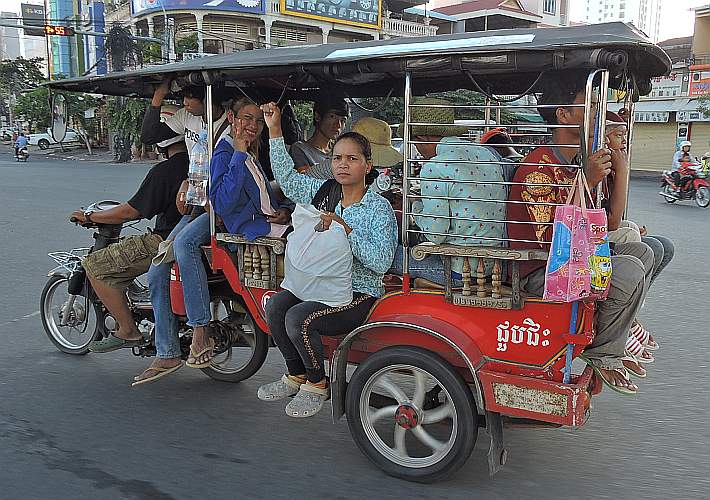
I had a new experience yesterday, riding in the motorized tuk-tuks that have become popular the last three or four years. This one had a seatbelt for the driver! Granted it wasn’t being used–and probably never has been, unless they use it for tying down cargo–but I never expected to see one in a conveyance like these tuk-tuks.
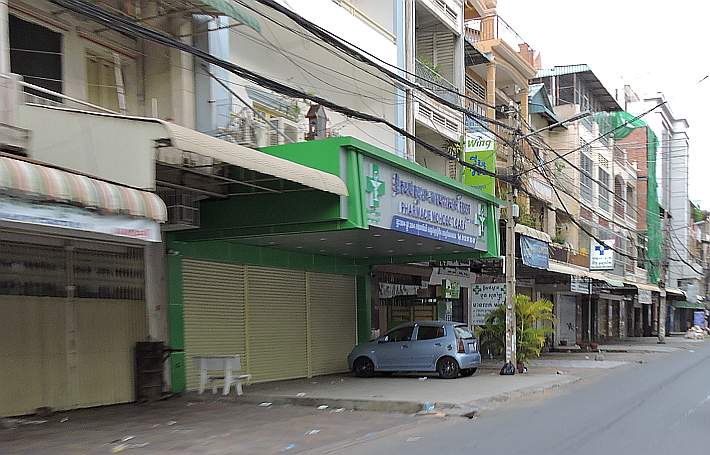
This is going west on a street near the Maryknoll office at 6:30 AM.
This is going east on the same street a little after 7:30 AM when the proprietors of all the medical supply shops have moved their stock out on to the sidewalk.
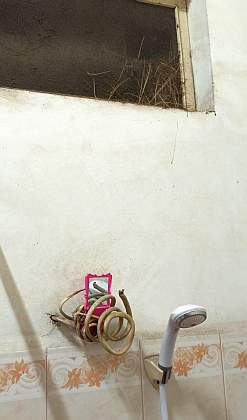
Buildings in Cambodia are not “tight,” that is, they are open to air flowing through, don’t have glass on many windows, etc. This picture is in my bathroom where a long horizontal “window”—actually a vent–is located in the wall above my bathtub. On the inside there is a screen to keep out bugs and birds and bats, but on the outside it’s a type of hollow-block design, something like small concrete blocks.
Some sparrows have built a nest in the block in the corner of this long vent opening. You can see straws and grasses from the nest protruding through the screen. A couple days ago their eggs hatched and now there are several baby sparrows whose silhouettes I can see jumping around behind the dirty screen.
I’ve started covering up my toothbrush and glass in case my guests are carrying any sort of bird flu or some such.
For another part of Cambodian trivia, notice the electrical wires coming out of the wall and not capped or sealed off in any way. Apparently some previous tenant had a hot water heater for the shower and took the heater with him when he left.
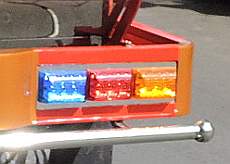
Probably a fourth of vehicles on the road in Cambodia don’t have a full set of working lights. Many will have no lights at all. That is not a value for the motoring public here. Many others will have a wide spectrum of various colored lights, made even more dazzling by the advent of the bright LEDs. Click here for some photos.